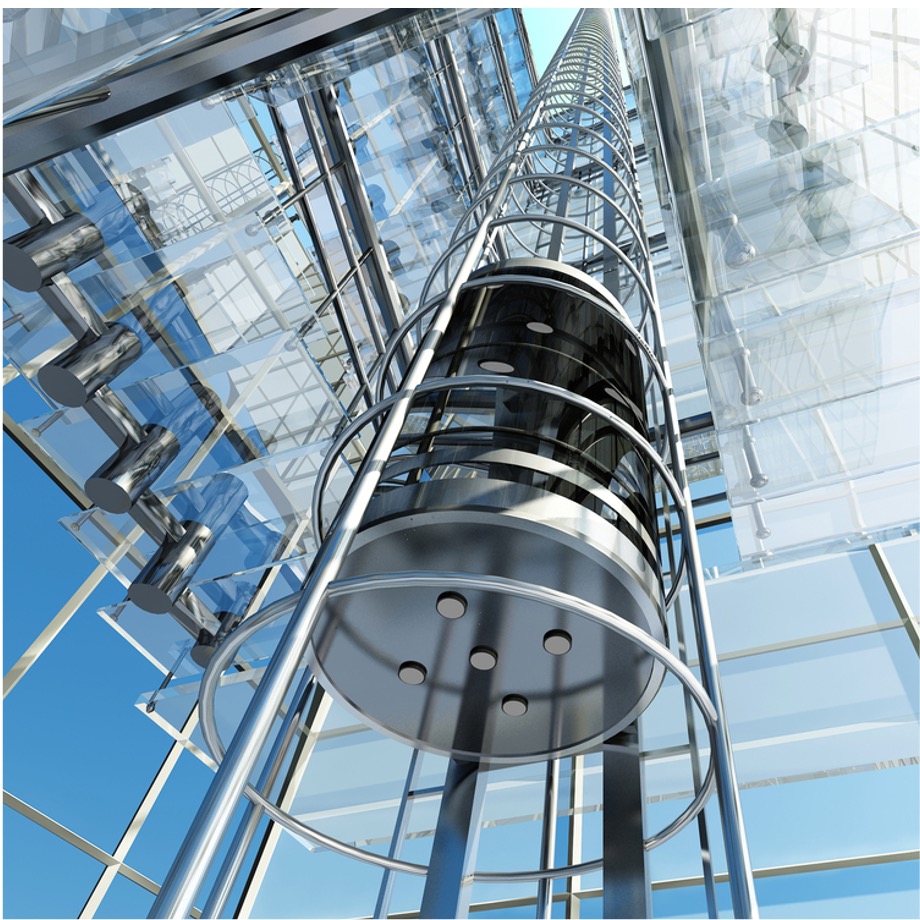
Elevators in Transformation: More Than Vertical Transport
For decades, elevators were viewed as simple vertical transportation systems. That perception is now changing. Driven by the demands of modern cities, sustainability goals and technological innovation, the elevator sector is evolving into a key component of the intelligent urban ecosystem.
In 2025 and beyond, elevators are expected to play a growing role in building energy efficiency, universal accessibility, architectural design, and digital connectivity.
1. Smart Elevators: The Age of Automation and AI
Artificial Intelligence (AI) is transforming how elevators are operated and maintained. Predictive maintenance — based on sensors and real-time data analysis — will allow early fault detection and reduce unexpected stoppages.
In addition, intelligent control systems will be able to:
- Adapt to real-time passenger flow
- Learn user habits
- Optimise traffic in multi-elevator buildings
- Connect with technical control centres and mobile apps
2. Sustainability and Energy Efficiency: A Global Priority
In a world focused on reducing carbon emissions, elevators are becoming increasingly energy-efficient. Some key innovations include:
- Regenerative drive systems that reuse energy generated during downward movement
- Smart standby modes that lower energy use when inactive
- Lighter cabins made of advanced materials with reduced inertia
- LED lighting with motion sensors for optimal efficiency
These solutions not only contribute to a greener planet but also reduce operating costs for property owners.
3. Compact Design and Seamless Architectural Integration
The continued adoption of machine-room-less elevators offers architects more freedom and maximises usable space in homes and commercial buildings.
Modern elevator designs can include:
- Fully panoramic cabins with tempered glass structures
- Interior finishes in natural wood, marble or brushed steel
- Customisable cabins, control panels, and lighting options
At LUXE, this commitment to detail is already part of our design and manufacturing DNA.
4. Connectivity and Integration with Smart Buildings
Elevators will become part of connected buildings, no longer isolated devices. They will integrate with:
- Home automation systems (lighting, climate, security)
- Personalised mobile applications
- Access systems using facial recognition, QR codes or biometrics
- Centralised building management platforms for energy and security control
This evolution will enhance user experience and bring elevators closer to the digital ecosystem of modern living.
5. Accessibility, Inclusion and Customisation
Another emerging trend is the democratisation of the residential elevator. No longer limited to luxury buildings, elevators will increasingly be found in private homes, historic properties, and public spaces adapted for people with reduced mobility.
Users will be able to customise:
- The height and layout of buttons
- The system interface and voice feedback
- Privacy, access levels and usage preferences
The Future Is Here — And Within Reach
At LUXE Home Elevators, we build today the elevators that will answer tomorrow’s demands. We combine technology, design and sustainability to offer high-end solutions that are both intelligent and elegant.
The elevator of the future is no longer just a means of transport — it’s an extension of your home, your comfort, and your lifestyle.